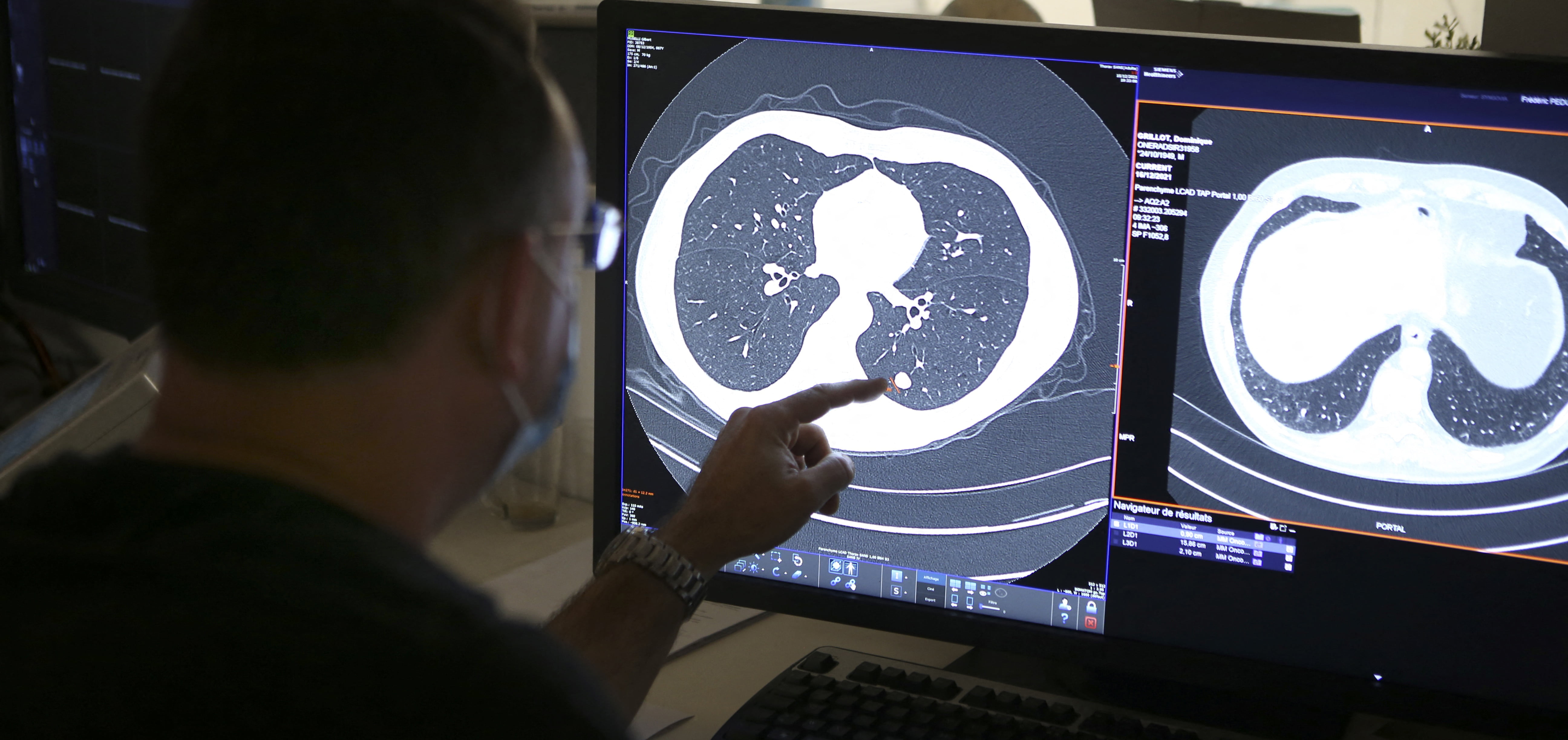
Lung cancer is the leading cause of cancer deaths in the U.S., yet California has one of the lowest screening rates. We partnered with Cedars-Sinai to design a mobile screening unit for underserved communities, with the goal of increasing participation by 10%.
View Case Study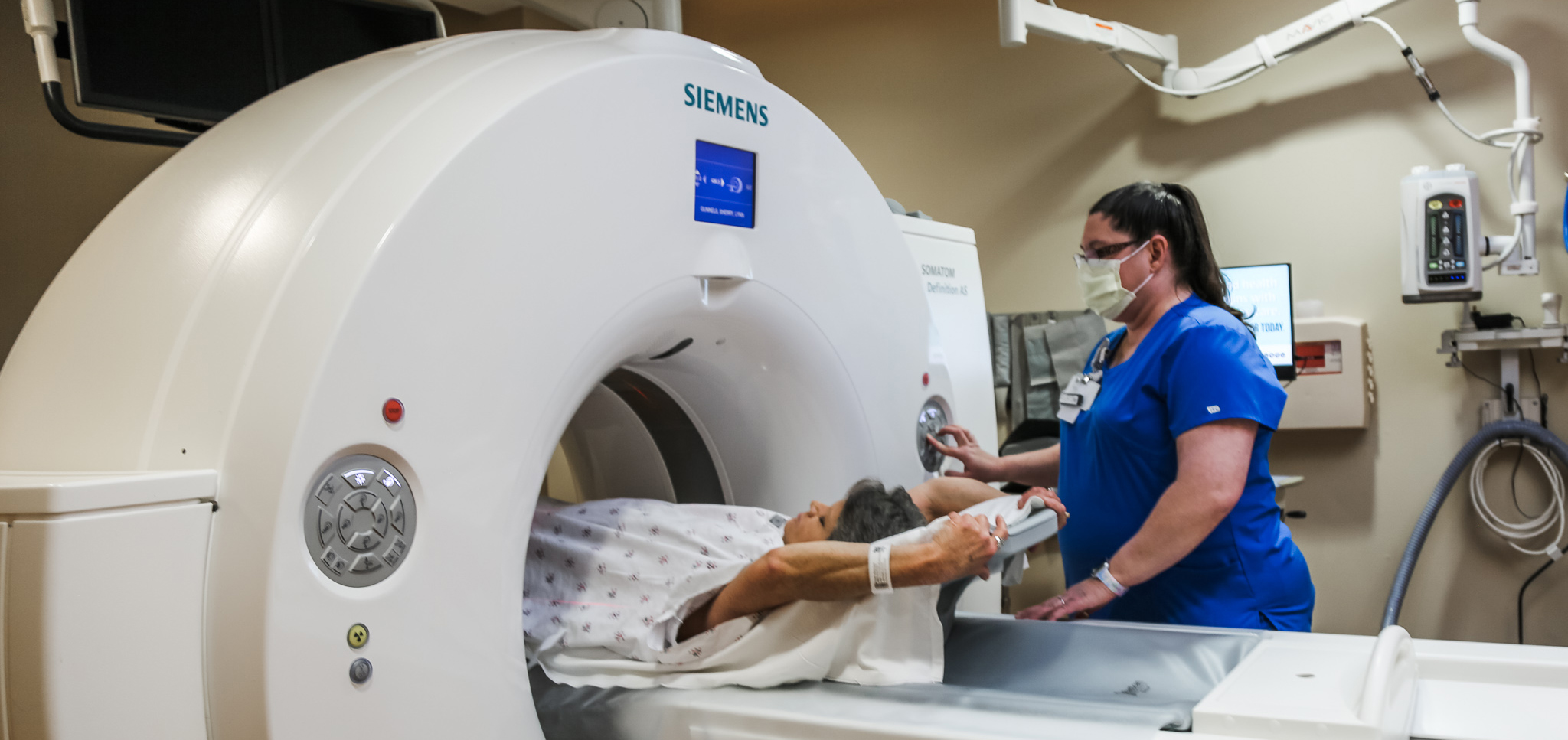
The Problem
Only 5% of eligible adults are screened.
LA and Orange Counties have the largest Hispanic/Latino and Korean American populations in the country. But screening data specific to these communities is scarce.
National studies show eligible screening rates for Hispanic and Korean American adults hover below 5%. Meanwhile, two-thirds of lung cancer cases are caught late-stage, when survival drops to 10%.
The Barrier
Most people don't know screening is an option.
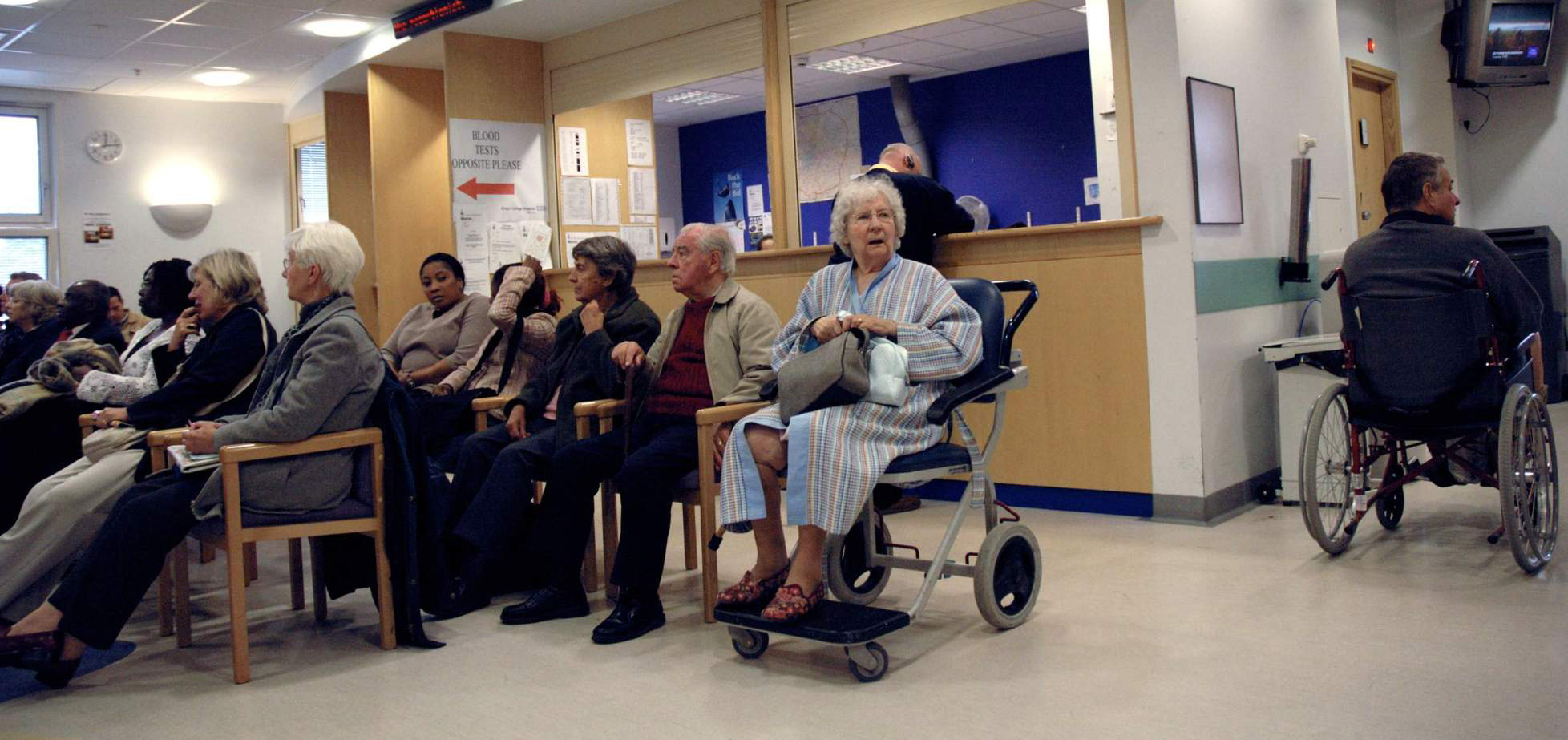
Multiple barriers exist (financial, linguistic, systemic), but we identified awareness as the most actionable. In a study, 44% of Hispanic and Latino participants didn't know lung cancer screening existed, yet 90.7% were willing once they learned about it.
For Asian Americans, awareness was even lower: only 19% had heard of screening, with lack of understanding cited as a key reason for delays.
The Insight
Family as a call to action for screening.
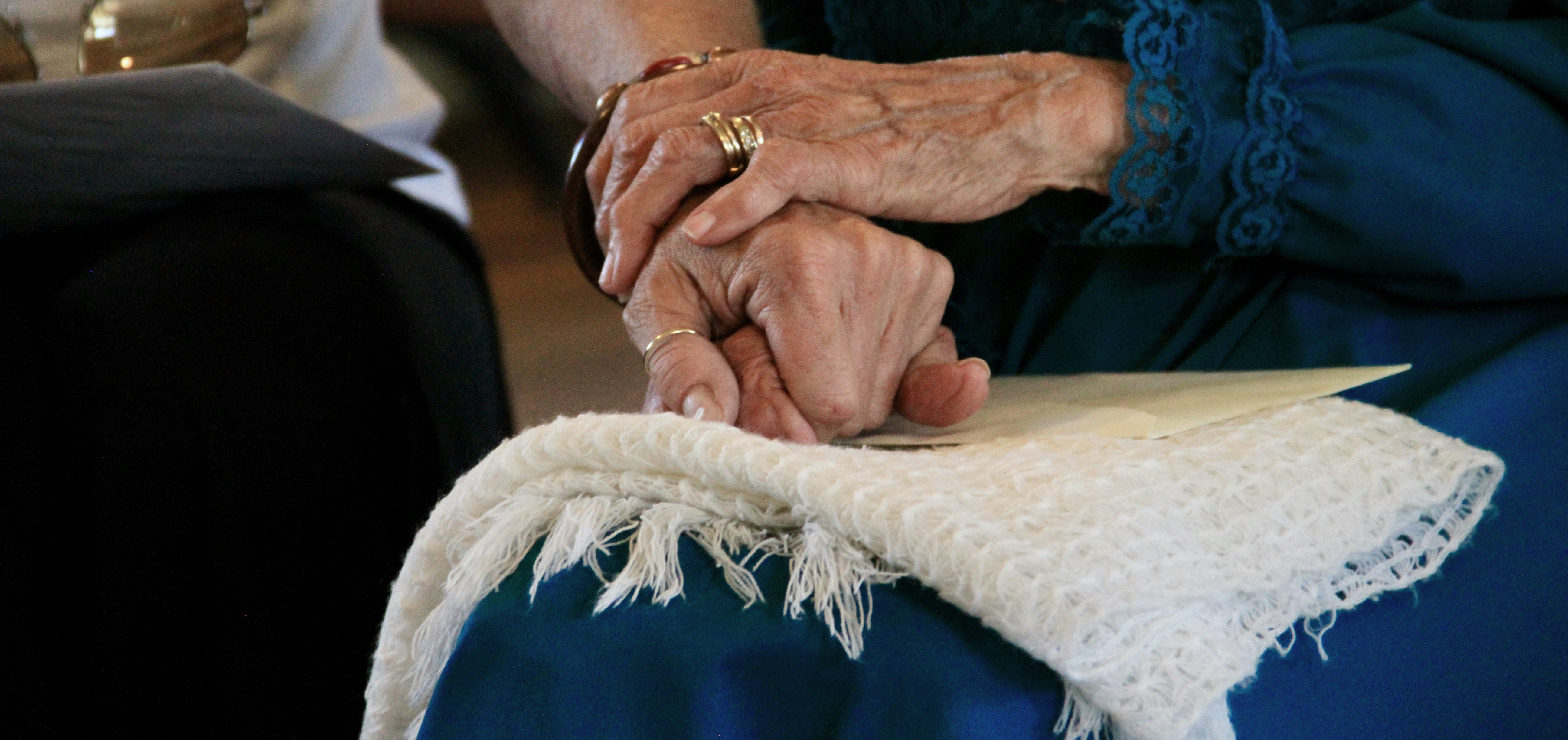
During our field visit to Kheir Clinic, healthcare providers emphasized the importance of family involvement in patient care. A study of 20 Latino adults found family was one of the strongest motivators.
Among Korean immigrant men and Chinese American smokers, family encouragement was similarly a key driver for screening. Asian patients also tend to prefer family-centered decision-making in healthcare.

I said to myself. Well, I want to live long enough to see my grandkids. That's why I would do it now!
—Alaniz-Cantú et al., Frontiers in Oncology, 2024
The Campaign
Would you screen for someone you love?
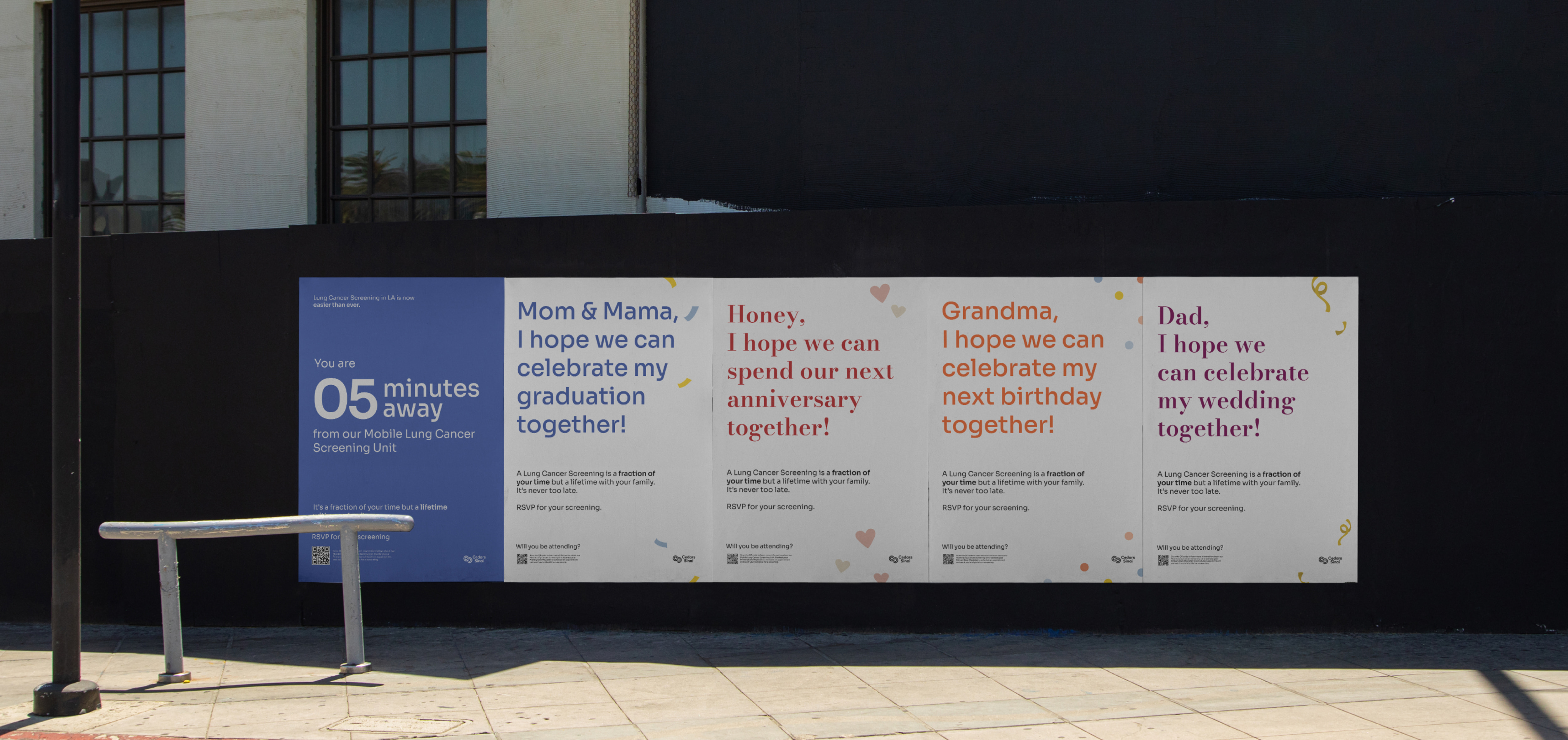
Drawing on this research, our campaign features family members speaking directly to their communities, including voices from the LGBTQ+ families.
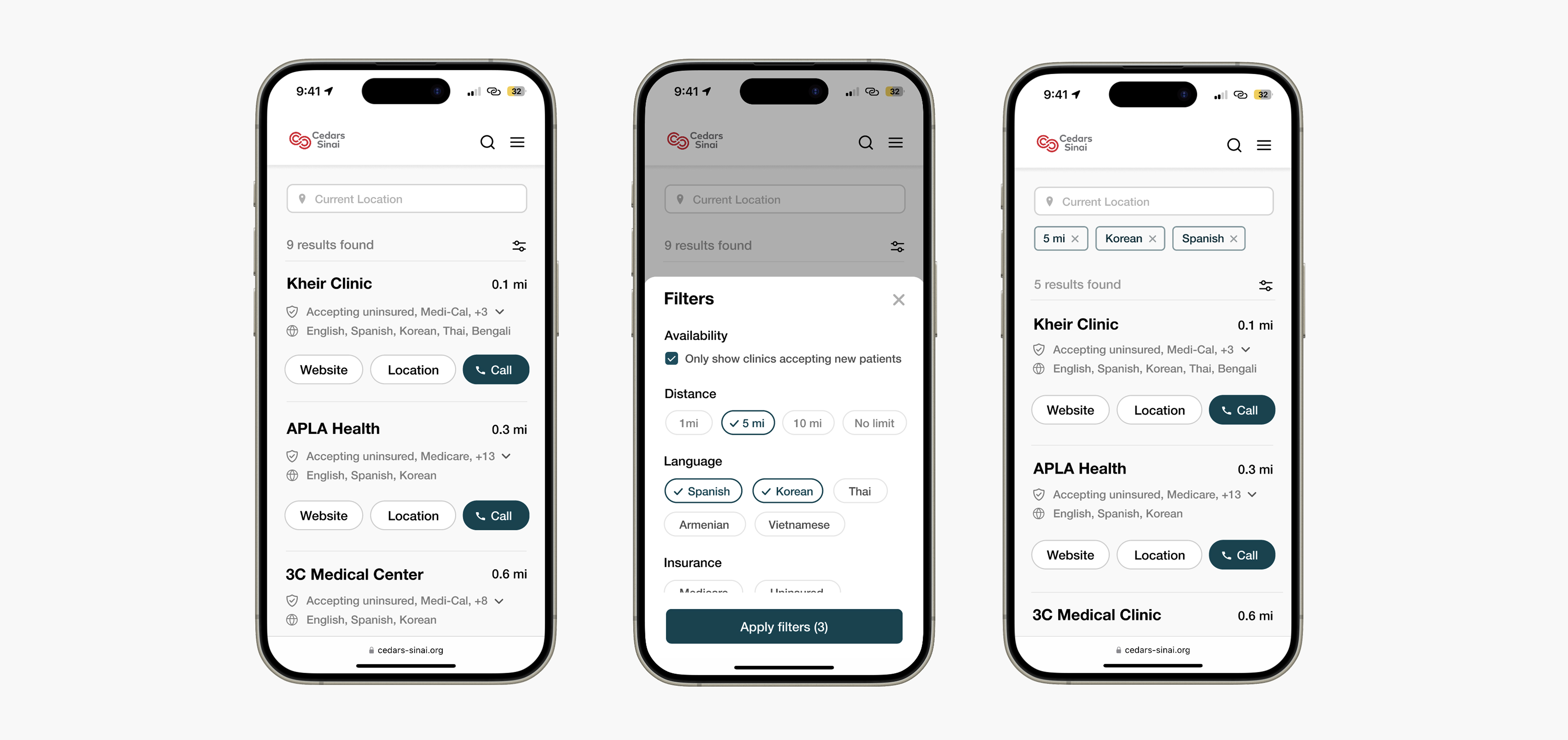
The materials promote the mobile screening service and show that screening is accessible. Each piece includes a QR code linking to a scheduling platform for appointments and mobile unit locations.
The platform
A low friction path to screening.
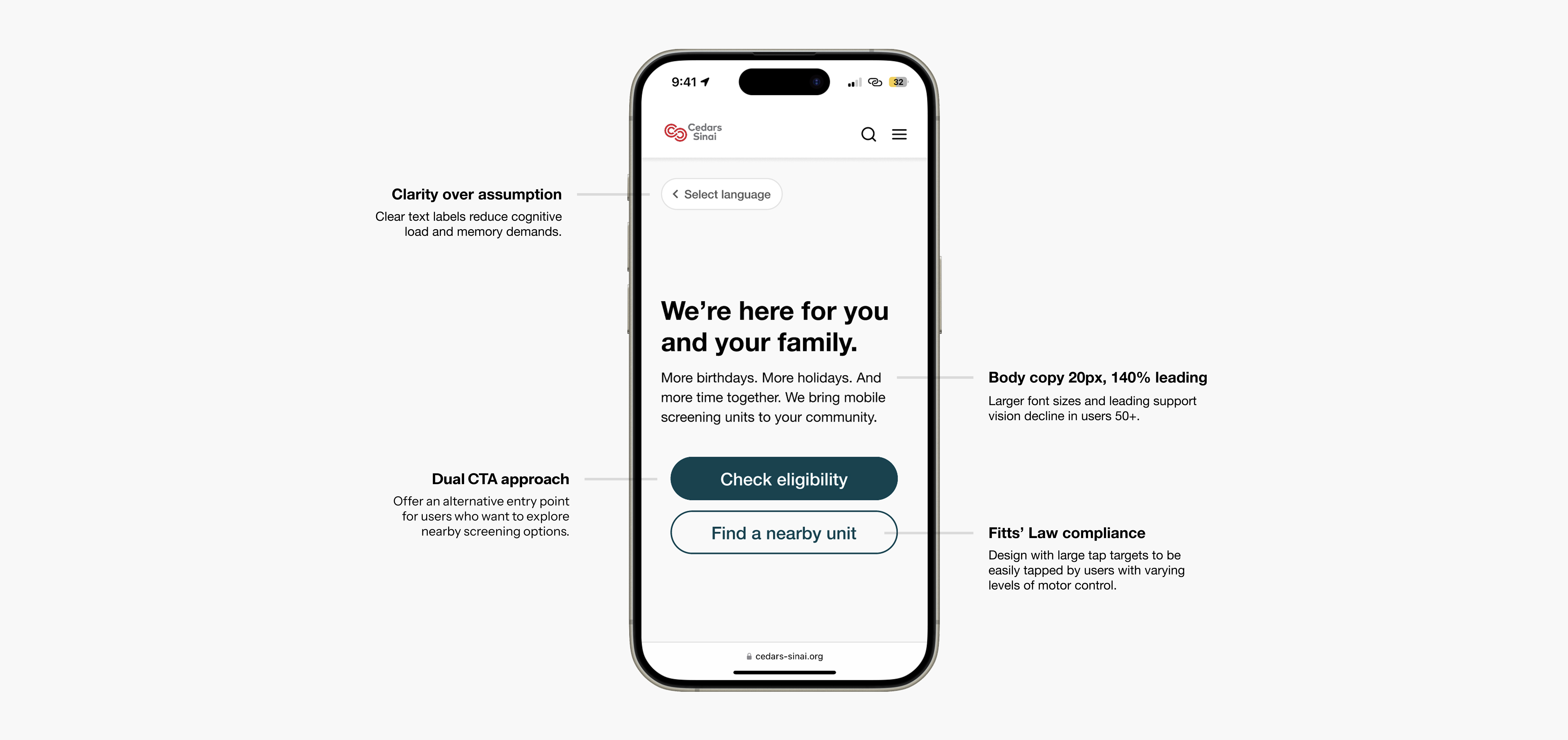
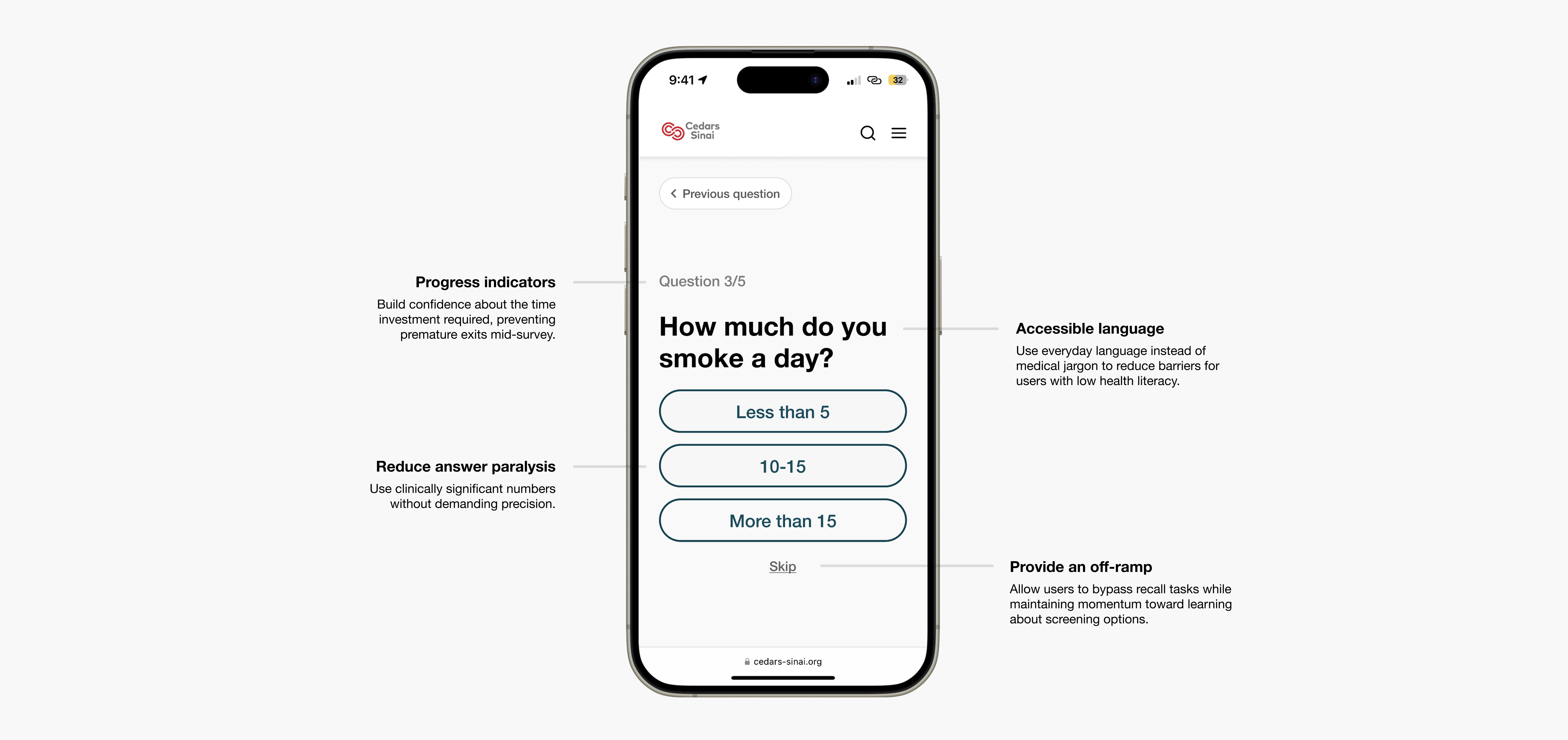
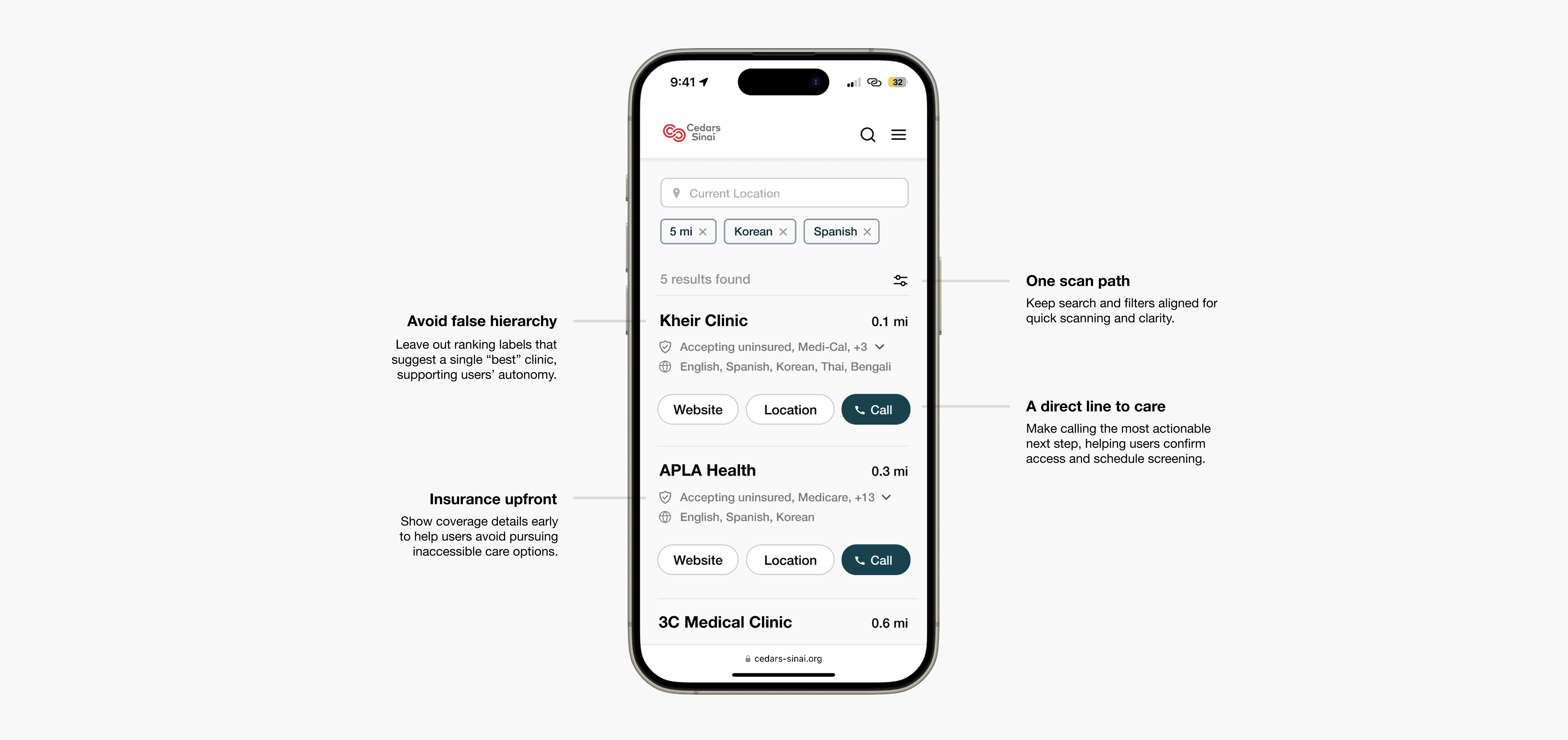
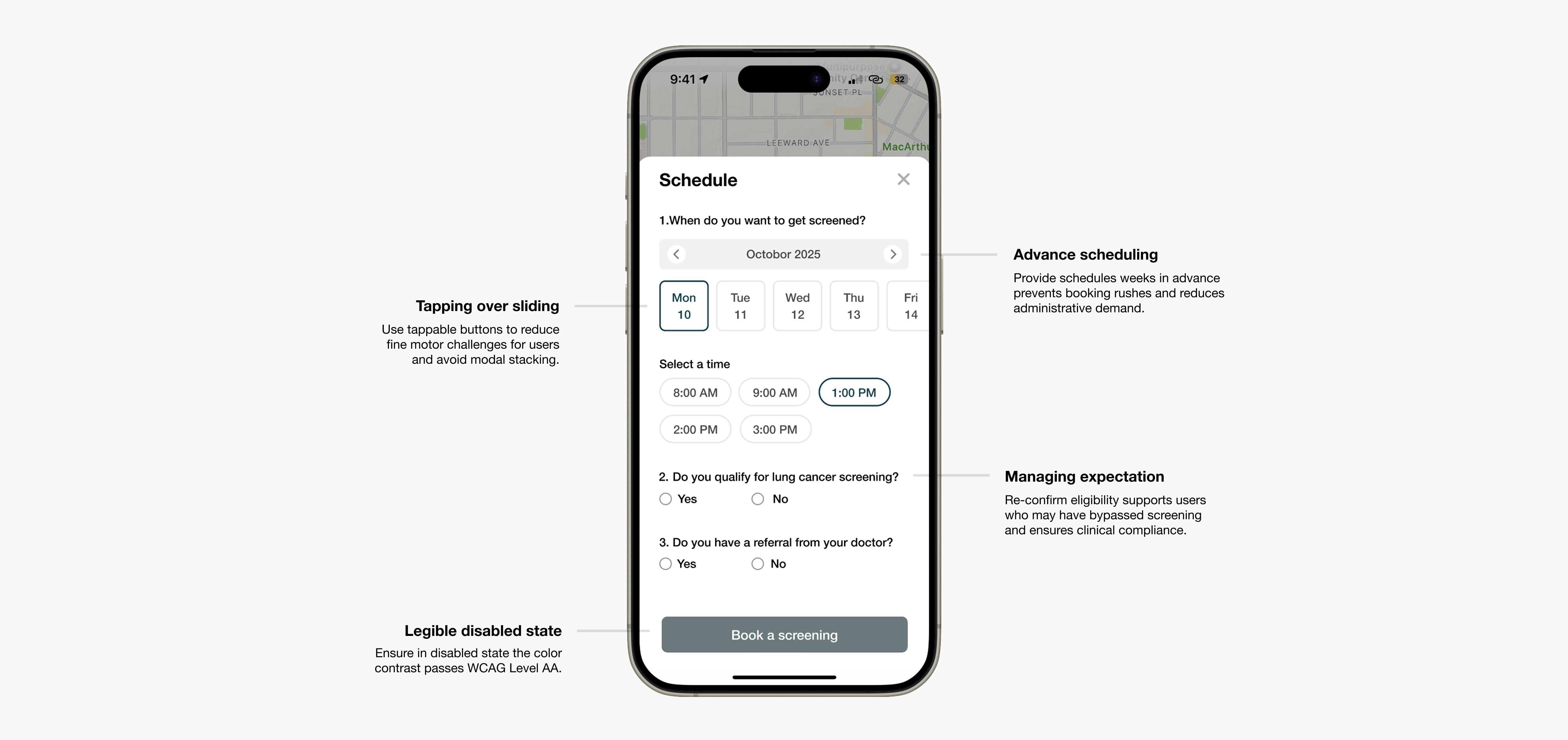
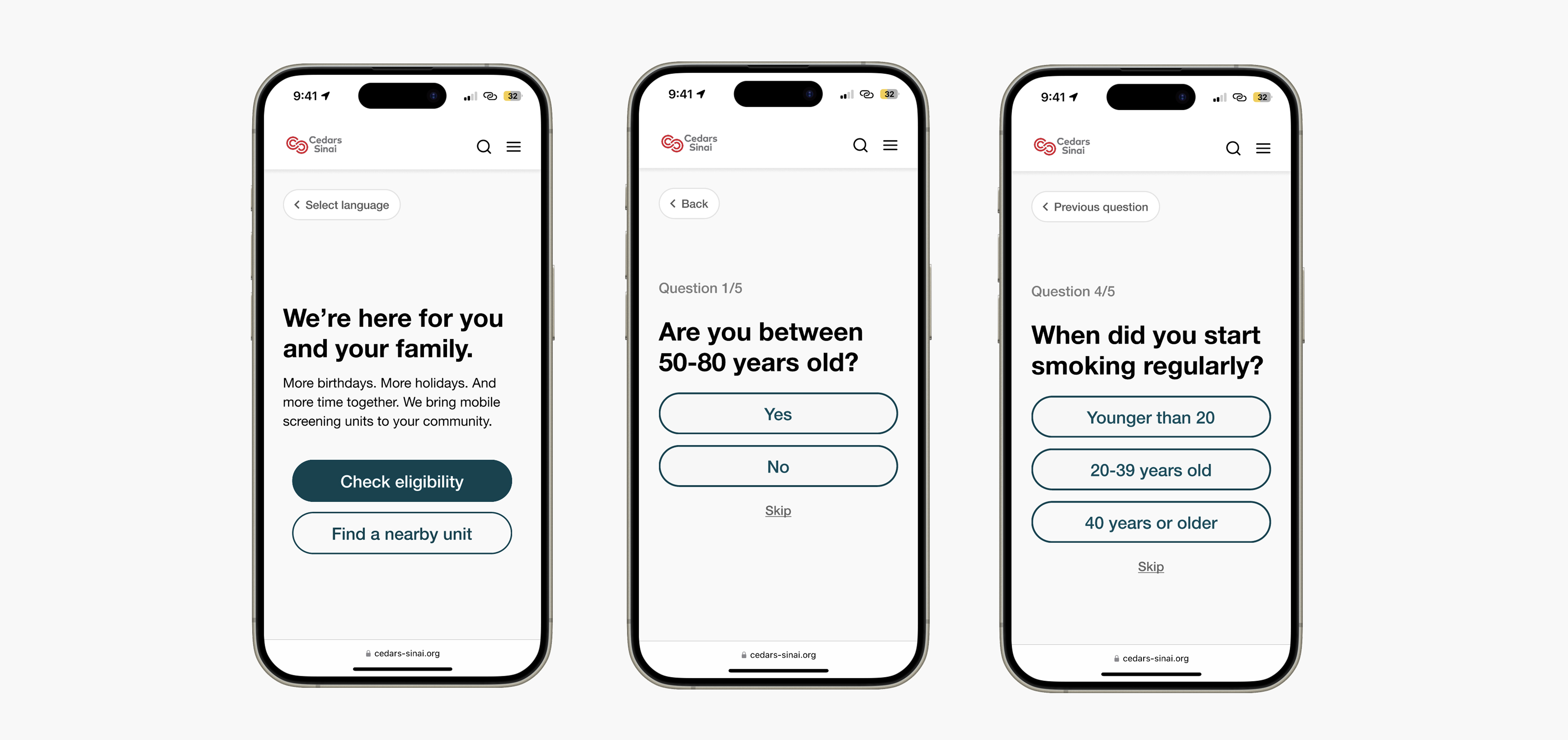
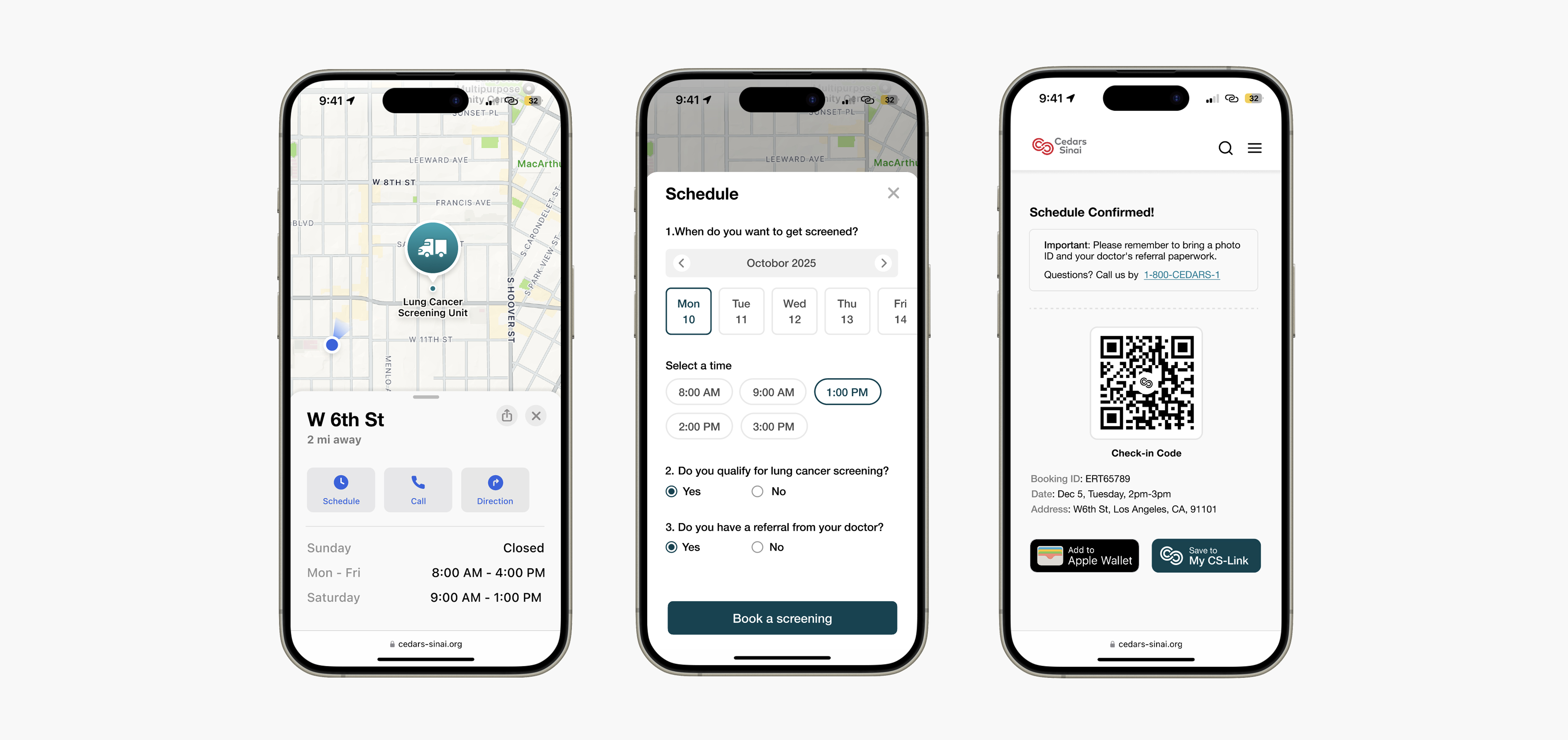
Our target audience is aged 50-80, the qualifying range for screening. To keep things simple, we built a web app hosted on the Cedars-Sinai website. It walks users through HIPAA-compliant eligibility questions and scheduling.
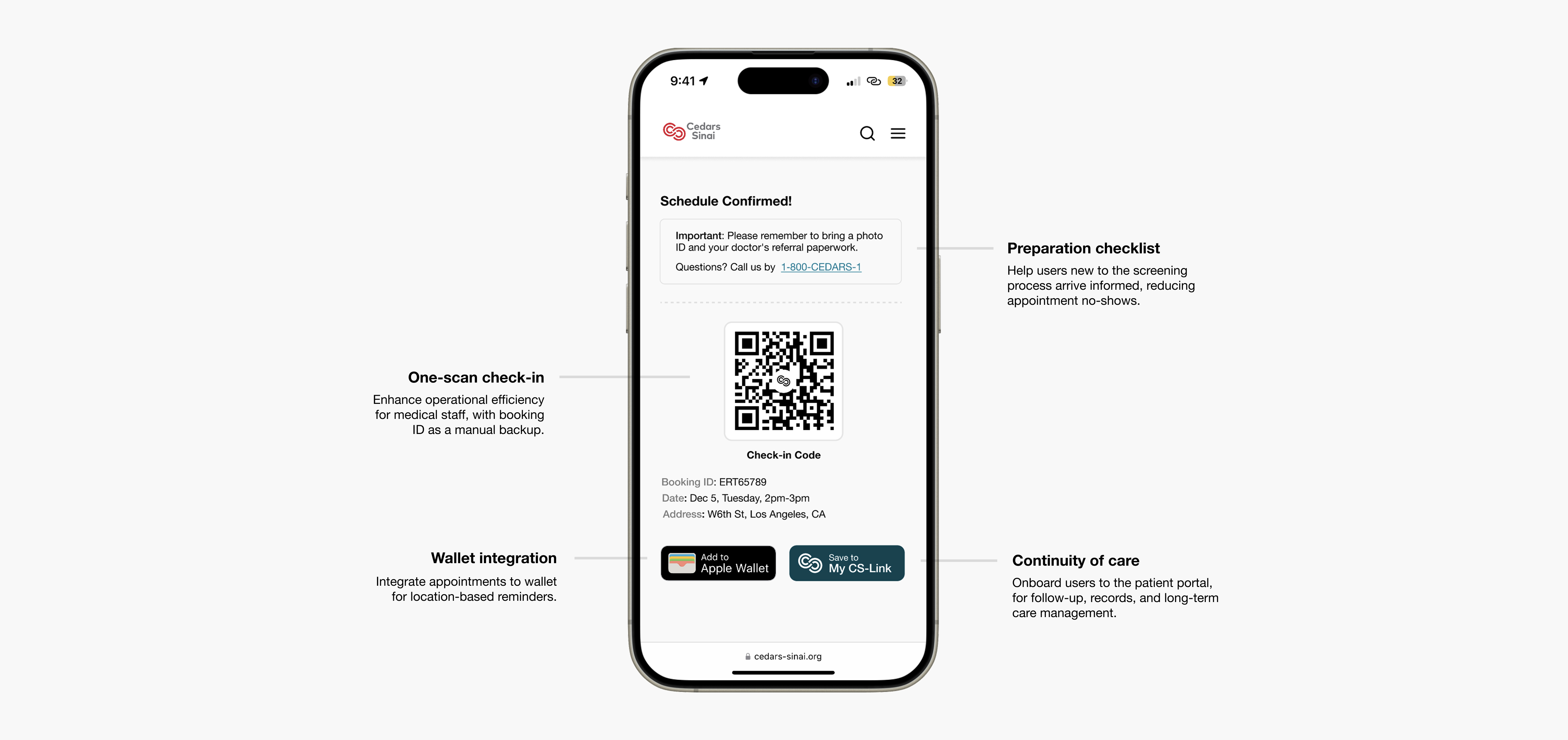
After booking, users can create an account to save their confirmation, then download the native app for ongoing appointment management and health information.